Request Sacramental Records
If you received your sacraments here at St Frances Cabrini and need those records,
please Click Here to fill out the form and we’ll be happy to assist you!
What is a Sacrament?
The traditional definition of a sacrament is this: "A sacrament is a visible sign, instituted by Christ, to give grace." Within this definition there are three important statements.
A visible sign
An action is performed by a minister (usually a priest).
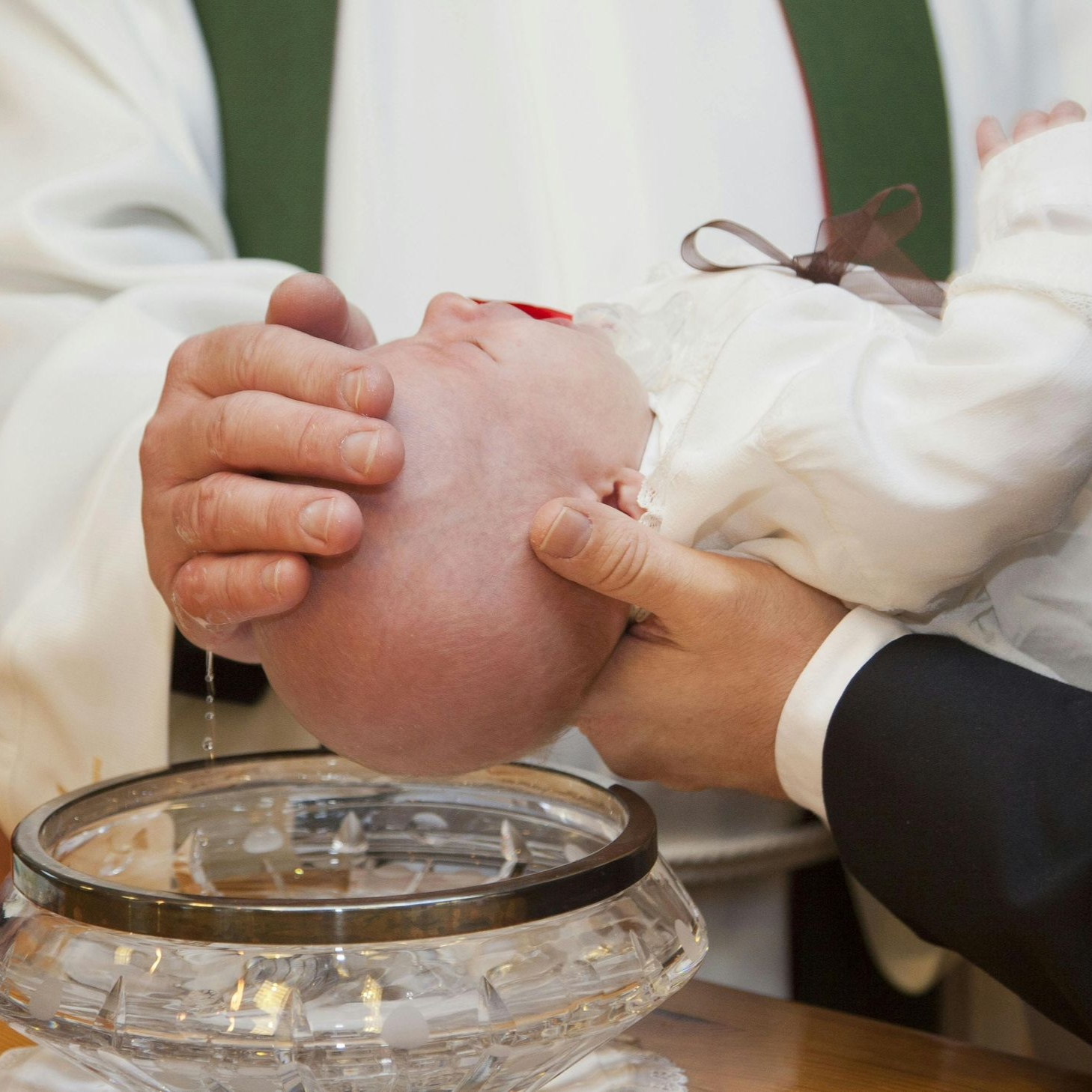
For example, when a baby is baptized in the church the priest pours water over its head and at the same time says the words "I baptize you in the name of the Father and of the Son and of the Holy Spirit." That is a visible sign.
Instituted by Christ
The Lord Jesus Christ instructed His church to offer the seven sacraments to His followers.
For example, His directive to His disciples in Matthew's Gospel (28/19), "Go then, to all peoples everywhere and make them my disciples; baptize them in the name of the Father, the Son, and the Holy Spirit and teach them to obey everything I have commanded you."
To give grace
Grace is God's free gift of Himself as the controlling influence in our life and the decisions we make once we have committed ourselves to Him in faith.
One could say that the sacraments speak a “sign language” all their own.
There are seven sacraments divided into three categories, and they touch on all the critical moments of the Christian life:
Sacraments of initiation:
baptism, confirmation and holy Communion.
Sacraments of healing:
reconciliation and anointing of the sick.
Sacraments of service:
holy orders and matrimony.
These seven sacraments offer us an opportunity to receive grace at important stages. From birth to the preparation for death, God meets us and strengthens, heals and equips us to live a fruitful life.
So, what is real beyond the sign of the sacrament?
What is real is an encounter with Jesus Christ, the One who instituted the sacraments in the first place.
When we participate in any one of the seven sacraments, it is a real encounter with Christ. It isn’t magic; it isn’t imaginary or merely a hope. It is a genuine, interpersonal meeting with the living God.
God desires to have these encounters with us and knows that we need his life on our journey through life and on into heaven.
St. Augustine once said,
“God thirsts that we might thirst for him.”
The sacrament is an efficacious encounter
in the midst of thirst.
Baptism
 Click here to learn more
Baptism is the door to spiritual life!
*If this is your first child, you will need to schedule a parent preparation session. For all scheduling, please call the Office.
Confession
 Click here to learn more
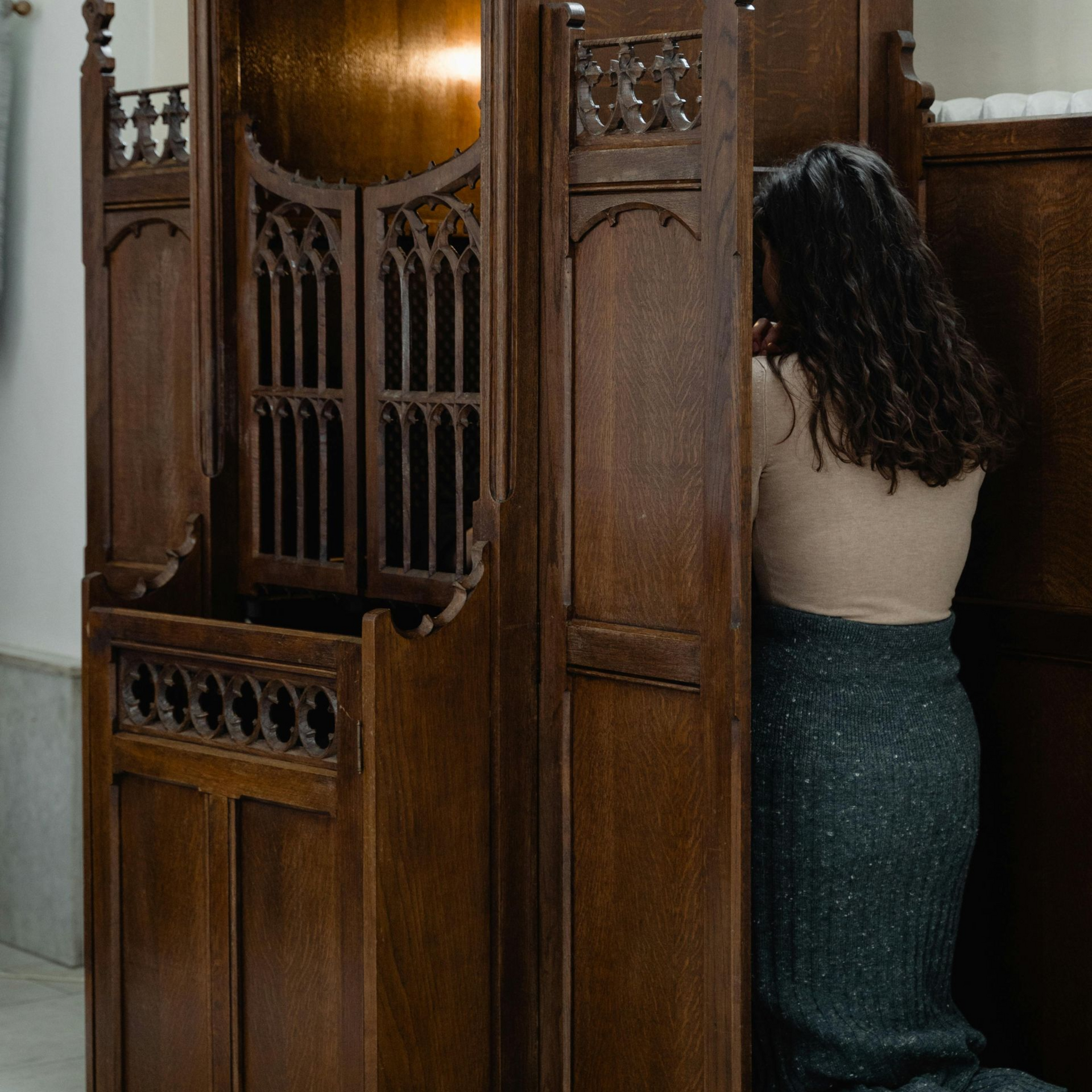
Saturday 2:00 pm - 3:00 pm.
Other By Appointment
First Holy Communion
Click here to learn more“Let the little children come to me, and do not hinder them, for the kingdom of heaven belongs to such as these.”
Holy Communion
 Click here to learn more
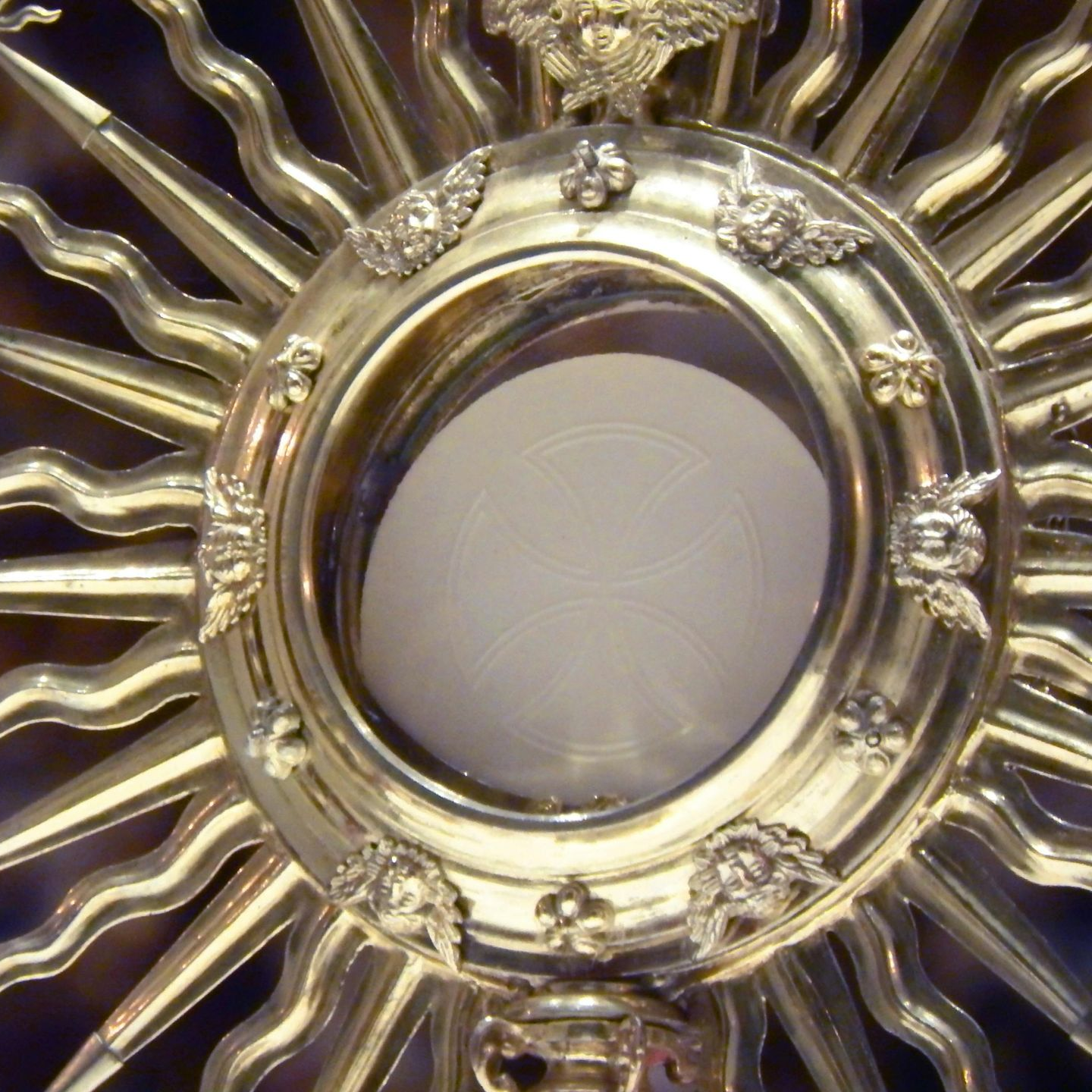
More Info Coming Soon!
Matrimony
Vocations
Anointing of the Sick
Click here to learn moreIn the Church’s Sacrament of Anointing of the Sick, through the ministry of the priest, it is Jesus who touches the sick to heal them from sin – and sometimes even from physical ailment. His cures were signs of the arrival of the Kingdom of God. The core message of his healing tells us of his plan to conquer sin and death by his dying and rising.
Funeral
Reflection on the Angel of Death:
"Death is rest; a deliverance from the exhausting labors and cares of this world. When, then, thou seest a relative departing, yield not to despondency; give thyself to reflection; examine thy conscience; cherish the thought that after a little while this end awaits thee also. Be more considerate; let another’s death excite thee to salutary fear; shake off all indolence; examine your past deeds; quit your sins, and commence a happy change." - St. John Chrysostom
Please contact the Front Office to schedule a time, to help with Readings, Music, and other items you may have questions about.
Contact
12001 69th Street East
Parrish, Florida 34219
941 -776-9097
Office Hours
Monday - Thursday
8:00am-4:00pm
Friday 8am-12:00pm
Sacraments

Contact
12001 69th Street East
Parrish, Florida 34219
941 -776-9097
Office Hours
Monday - Thursday
8:00am-4:00pm
Friday 8am-12:00pm